👉 Now, he’s ready to begin the next chapter of his career in a new industry as a Security Officer.
Throughout his Growing Talent journey, Jamhel has shown real commitment, resilience and genuine support for those around him. His empathy for his peers has made a lasting impression.
When asked how he was feeling, he simply said:
“I’m very grateful for the opportunity and can’t wait for the future.”
We couldn’t be happier for him.
Where will the road ahead take Jamhel?
Anything is possible.
Congratulations, Jamhel—we wish you every success in your new role!
👉 Recycled plastic pots – every size and colour. 👉 Repurposed metal dustbins. 👉 Repurposed wheelie bins. 👉 Slate troughs – incredibly heavy. 👉 Terracotta pots – even heavier. Definitely a two-person lift.
With more than 80 plants and trees in pots, I enjoy changing the layout from time to time.
But if I start moving them without thinking first, the results can be predictable:
💥 A bad back. 💥 Broken pots. 💥 Damaged or dying plants.
Thankfully, those problems are usually fixable.
The same can’t always be said in organisations.
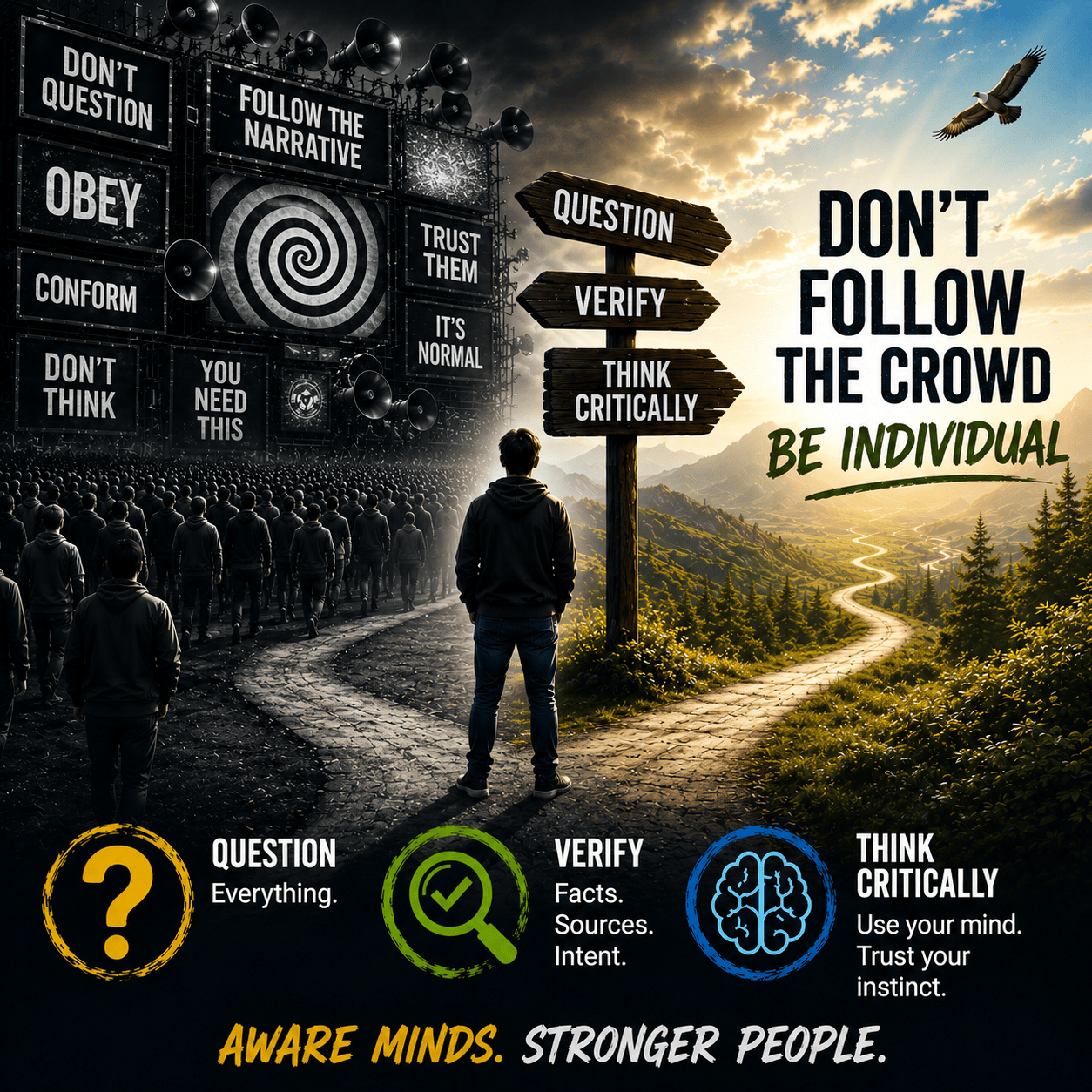
Launching a new initiative, restructuring a team or changing strategy without thinking through the consequences can damage performance, morale, customer trust and reputation.
The bigger the organisation, the bigger the potential impact. Critical thinking isn’t about slowing progress.
It’s about asking the questions that prevent avoidable mistakes. What’s the best example you’ve seen recently of a good idea that failed because nobody stopped to think through the consequences?
People managers are the strong oaks of any business. They provide shade for their teams, helping people grow while standing firm through every storm.
The challenge is that, like great oaks, problems often aren’t visible until the signs become impossible to ignore.
We don’t notice the stress an oak feels after a few dry days. But when that strain continues, the effects suddenly become obvious.
This thought came to me while speaking with several clients recently.
More and more of their time is being consumed by firefighting issues that began as small, unseen pressures. Not invisible—just easier to ignore than address at the time.
Whether it’s manager capability, retention, burnout, neurodiversity awareness and support, or workplace wellbeing, many of the biggest challenges start long before they become urgent.
Prevention is always better than cure. Early intervention is the next best thing.
So I’m curious:
What challenge is currently taking up most of your time?
Two stories in the news this week certainly caught people’s attention:
🎮 Using GTA (Grand Theft Auto) to help understand public behaviour. 🦎 Role-playing as slow worms during a training session.
Both have raised eyebrows and generated plenty of debate.
Putting aside the political discussion around public funding, there is an interesting workplace learning question:
How far should we be prepared to think differently when helping people learn?
As a trainer, mentor and coach, I’ve never worked with a team where everyone learns in exactly the same way.
👉 Some people learn through discussion. 👉 Some through practical activity. 👉 Some through observation. 👉 Some through reflection.
That’s why effective workplace learning often requires adapting our communication, tools and delivery methods to ensure everyone can engage and apply what they learn.
I’ve never played GTA, so I can’t comment on its effectiveness as a learning tool.
However, I regularly use scenario-based exercises involving different characters and situations to explore areas like unconscious bias. Participants often discover how quickly assumptions can be mistaken for facts, leading to valuable discussion and reflection.
Role-playing as a slow worm wouldn’t have immediately occurred to me!
But innovation in learning isn’t about whether an idea sounds unusual. It’s about whether it helps people understand, retain and apply new knowledge.
Sometimes the most effective learning methods are the ones that initially seem the most unexpected.
What’s the most innovative learning approach you’ve seen in your organisation? More importantly – did it actually work?
As a workplace coach, one of the most rewarding parts of my work is seeing people discover strengths they didn’t realise they had.
👉 Meeting people where they are. 👉 Adapting my approach to suit the individual. 👉 Helping them develop skills and confidence they can carry throughout their career.
⚡ That’s why I love coaching. ⚡
Recently, one participant from my Growing Talent and Talent Hub programmes shared this feedback after continuing into 1:1 coaching:
“I’ve learnt a lot. The programme is excellent. As a visual learner, I was in awe watching how situations were handled and materials adapted so elegantly. I’m very happy I signed up.”
When people feel supported and understood, they grow in confidence, navigate change more effectively and bring their best to work.
Whether you’re:
🚦 Looking to build your own confidence and career development 🚦 Supporting a neurodivergent employee 🚦 Developing emerging talent 🚦 Strengthening team performance
Workplace coaching can create lasting change.
What challenge are you or your team facing right now?
Have you discovered something recently that made you say exactly that?
I did this morning while watching a video from HelpBoxUK.
As someone who runs a small business, I’ve just paid my second self-assessment instalment ahead of the 31 July deadline. Miss it, and there can be significant penalties.
The video highlighted that HMRC’s accounts have reportedly not received a clean audit opinion for 22 consecutive years, with auditors citing issues including hundreds of millions of pounds linked to fraud.
It made me reflect on accountability.
As taxpayers and business owners, we’re expected to meet deadlines, keep accurate records and face penalties when we get things wrong.
Yet when public bodies encounter significant financial control issues, the consequences can appear very different.
Introducing ‘fast and energising’ – also known as Growing Talent’s Employer Slow Dating session!
This is our first stage employer selection process.
It starts off a little quiet. A little subdued.
It ends with broad smiles, bright eyes, raised confidence and laughter.
Instead of cvs, we have a ‘Getting to Know You’ event for employers and applicants before the 1stemployer selection stage – Employer Slow Dating – which lays the foundation of connection.
A huge thank you to the employer teams who joined us yesterday:
👏 CIS Security 👏 NG Bailey 👏 ISS 👏 SPS UK & Ireland
Thank you for investing your time, energy, and enthusiasm in helping talent shine from the very first conversation.
Essential cookies enable basic functions and are necessary for the proper function of the website.
Name
Description
Duration
Cookie Preferences
This cookie is used to store the user's cookie consent preferences.
30 days
These cookies are needed for adding comments on this website.
Name
Description
Duration
comment_author_url
Used to track the user across multiple sessions.
Session
comment_author
Used to track the user across multiple sessions.
Session
comment_author_email
Used to track the user across multiple sessions.
Session
Statistics cookies collect information anonymously. This information helps us understand how visitors use our website.
Jetpack's built-in visitor analytics. It records page views, referring sites, search terms, and outbound link clicks, and also carries the shared visitor-tracking library used by Jetpack Instant Search and WooCommerce Analytics.